






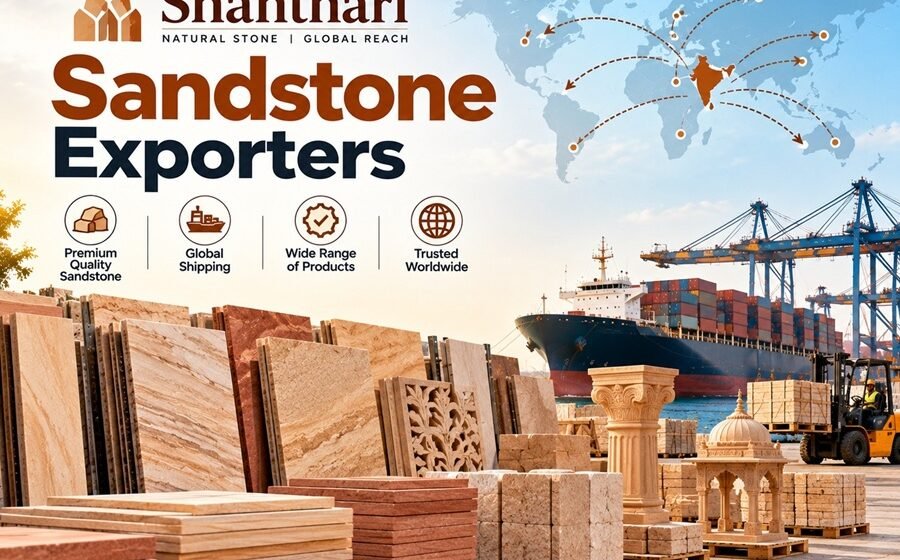

Quick answer: Indian sandstone exporters supply a wide range of stone varieties—including Kota, Kandla Grey, Teakwood, Mint, and Autumn Brown—each suited to different applications such as paving, cladding, and landscaping. Buyers should evaluate stone type, finish (sawn, natural cleft, honed, or tumbled), porosity, and the exporter’s quality-control process before placing an international order.
Choosing the right sandstone supplier isn’t just about price per square meter. Sandstone varies dramatically in color, texture, durability, and finish, and these differences affect how the stone performs once it reaches a construction site thousands of miles away. For architects, contractors, and distributors sourcing from India, understanding the stone itself is just as important as vetting the exporter behind it.
This guide walks through the major sandstone varieties available from Indian exporters, the finishing techniques that shape their look and performance, and the applications where each type works best. Whether you’re specifying stone for a commercial plaza or stocking inventory for a landscaping supply business, this breakdown should help you ask the right questions before signing a contract.
Why Is India a Major Source for Sandstone Exports?
India, particularly the state of Rajasthan, holds some of the largest known sandstone reserves in the world. The geological formations around Jodhpur, Kota, and Bundi produce stone with consistent bedding planes, which makes it easier to quarry in large, uniform slabs. This natural advantage, combined with established quarrying and processing infrastructure, has positioned Indian sandstone exporters as a primary supply source for markets in Europe, North America, the Middle East, and Australia.
Sandstone from these regions is valued for its range of natural colors—from warm buffs and browns to cool greys and greens—which gives architects more design flexibility than many single-tone alternatives.
What Are the Main Varieties of Indian Sandstone?
Not all sandstone is interchangeable. Each variety has a distinct mineral composition, color profile, and hardness level, which affects how it should be used.
Kandla Grey Sandstone
Kandla Grey is one of the most widely exported varieties, prized for its cool, uniform grey tone. It’s a popular choice for contemporary paving and cladding projects where a neutral, modern aesthetic is the goal. Its relatively consistent grain also makes it easier to cut into precise dimensions for tiling.
Kota Stone
Kota stone, quarried near Kota in Rajasthan, is technically a limestone rather than true sandstone, but it’s frequently grouped with sandstone exports due to similar applications. It’s known for its fine grain and durability, and it’s commonly used for flooring in both residential and commercial interiors because of its smooth, polished finish and resistance to wear.
Teakwood Sandstone
As the name suggests, Teakwood sandstone has warm, golden-brown tones reminiscent of teak timber. It’s a favorite for projects aiming for a natural, earthy look, including garden paths, courtyards, and rustic facades.
Mint Sandstone
Mint sandstone has a distinctive sage-green undertone mixed with grey and brown flecks. It stands out in landscaping and feature wall applications where buyers want something visually unique rather than a standard neutral tone.
Autumn Brown Sandstone
This variety offers rich, multi-toned brown shades with subtle color variation across each slab. It’s frequently chosen for exterior cladding and paving where a warm, traditional appearance is desired.
Raj Green Sandstone
Raj Green combines green, grey, and brown mineral streaks in a single slab, giving each piece a slightly different character. It’s commonly used for patios and garden features where natural variation adds visual interest.
What Finishes Are Available, and Why Do They Matter?
The finish applied to sandstone affects not just its appearance but also its slip resistance, maintenance needs, and suitability for specific environments. Choose a finish based on where the stone will be installed and how much foot or vehicle traffic it needs to withstand.
Natural cleft finish preserves the stone’s original split-face texture. It offers excellent slip resistance, which makes it a strong choice for outdoor paving, pool surrounds, and driveways where safety in wet conditions matters.
Sawn finish involves cutting the stone with diamond blades to create a flat, even surface. This finish suits projects requiring precise dimensions, such as modular paving systems or wall cladding with tight joint lines.
Honed finish results in a smooth, matte surface with the texture softened but not polished to a shine. It works well for interior flooring and countertops where a refined look is needed without high reflectivity.
Tumbled finish gives the stone a weathered, rounded-edge appearance, often used to create an aged or rustic aesthetic in garden paths and heritage-style renovations.
Flamed finish uses high heat to create a rough, textured surface with strong slip resistance, making it suitable for commercial walkways and public plazas with heavy foot traffic.
Choose natural cleft or flamed finishes if slip resistance in outdoor, wet-prone areas is the priority. Choose honed or sawn finishes if a clean, contemporary appearance for indoor or low-traffic applications matters more than texture.
What Should Buyers Look for When Vetting an Indian Sandstone Exporter?
Sourcing stone internationally carries risks around consistency, quality control, and reliability of supply. Before committing to an exporter, buyers typically assess the following:
- Quarry ownership or direct sourcing relationships. Exporters who control or have direct ties to quarries tend to offer more consistent stock and pricing than those relying purely on middlemen.
- Processing capabilities. Confirm whether the exporter can deliver the specific finish, size, and thickness tolerances your project requires, rather than offering only standard catalog dimensions.
- Quality control and grading practices. Ask how slabs are inspected for cracks, color consistency, and porosity before shipment.
- Export documentation and compliance. Verify the exporter’s experience with international shipping documentation, packaging standards for long-distance transit, and compliance with the destination country’s import regulations.
- Sample availability. Request physical samples before placing a bulk order. Photographs rarely capture true color variation or texture accurately.
- Lead times and logistics transparency. Confirm realistic production and shipping timelines, since sandstone orders often involve multi-week processing plus ocean freight.
How Does Sandstone Compare to Other Natural Stone Exports from India?
India also exports significant volumes of granite and marble, and buyers sometimes weigh sandstone against these alternatives. Granite generally offers higher density and scratch resistance, making it a common choice for kitchen countertops and heavy-traffic commercial flooring. Marble is valued for its polished, luxury aesthetic but requires more maintenance due to its porosity and sensitivity to acidic substances.
Sandstone sits in a different category altogether: it’s generally more porous than granite, which makes it less suited to countertops but well-suited to outdoor paving, cladding, and landscaping where its natural slip resistance and earthy aesthetic are assets rather than drawbacks. Choose sandstone if the project calls for a natural, textured outdoor surface; choose granite if durability under heavy indoor use is the priority.
Making the Right Choice for Your Project
Selecting sandstone isn’t a one-size-fits-all decision. The right variety and finish depend on the specific demands of your project—whether that’s slip resistance for a public walkway, color consistency for a large-scale cladding job, or a particular aesthetic for a residential courtyard.
Before finalizing a supplier, request samples, ask detailed questions about quarry sourcing and quality control, and confirm that the exporter can meet your project’s technical specifications, not just its visual preferences. A well-vetted exporter relationship can mean the difference between a project that ages gracefully and one plagued by inconsistent color, premature wear, or shipment delays.
Frequently Asked Questions
What is the most popular sandstone variety exported from India?
Kandla Grey and Teakwood sandstone are among the most widely exported varieties due to their versatile color tones and suitability for both paving and cladding applications.
Is Indian sandstone suitable for outdoor use in wet climates?
Yes, particularly with a natural cleft or flamed finish, both of which provide strong slip resistance that makes sandstone a practical choice for pool surrounds, driveways, and outdoor walkways.
How is Indian sandstone different from granite?
Sandstone is more porous and better suited to outdoor paving and cladding, while granite is denser and more commonly used for countertops and high-traffic indoor flooring.
What finish should I choose for a commercial walkway?
A flamed or natural cleft finish is generally recommended for commercial walkways because of the slip resistance these textures provide under heavy foot traffic.
What should I request before placing a bulk order with an exporter?
Always request physical samples, ask about quarry sourcing and quality-control procedures, and confirm production lead times and shipping documentation before committing to a bulk purchase.
Must Read: AFL Grand Final 2026: Huge Crowd Packs the MCG for Fremantle vs Brisbane Lions
